
How Long Do Wooden Planters Last?
Whether you’re looking to purchase a new wooden planter or get the most from an existing one, it’s natural to wonder how long it will last.
Like any outdoor timber product, the lifespan of a wooden planter will depend on several factors. The quality of the timber, whether it has been pressure treated, how well it drains, whether it is lined and the level of ongoing maintenance all play an important role in its longevity.
In this guide, we’ll explore what affects the lifespan of wooden planters, share practical tips to help them last longer and explain why they’re a durable and attractive addition to any garden.
Quick Answer
While there isn’t a fixed lifespan for wooden planters, a high-quality pressure-treated planter can typically last 10 years or more when properly maintained. How long it lasts will depend on factors such as the quality of the timber, drainage, exposure to the weather and how well it’s looked after over time.
What Affects the Lifespan?
The lifespan of a wooden planter isn’t determined by one single factor. From the quality of the timber and exposure to the weather to drainage and ongoing maintenance, several factors can influence how long it will last.
1. Quality of the Timber
The quality of the timber plays a significant role in determining how long a wooden planter will last. High-quality, pressure-treated timber is better equipped to withstand moisture, decay and insects making it far more durable for outdoor use.
At MG Timber, our wooden planters are handcrafted from pressure-treated Swedish redwood. During the pressure treatment process, preservative chemicals are forced deep into the timber under high pressure, helping to protect it against decay and extend its lifespan.
2. Exposure to the Weather
Rain, frost and prolonged UV exposure can all take their toll on wooden planters, particularly those that haven’t been properly treated.
While it’s impossible to protect a planter from the British weather completely, positioning it on a well-drained surface and carrying out simple maintenance can help maximise its lifespan.
3. Drainage
Good drainage is essential for extending the lifespan of a wooden planter. Standing water and waterlogged compost can encourage rot and fungal growth, causing the timber to deteriorate more quickly. Ensuring excess water can drain away freely will help keep both your plants and planter in better condition.
4. Lining
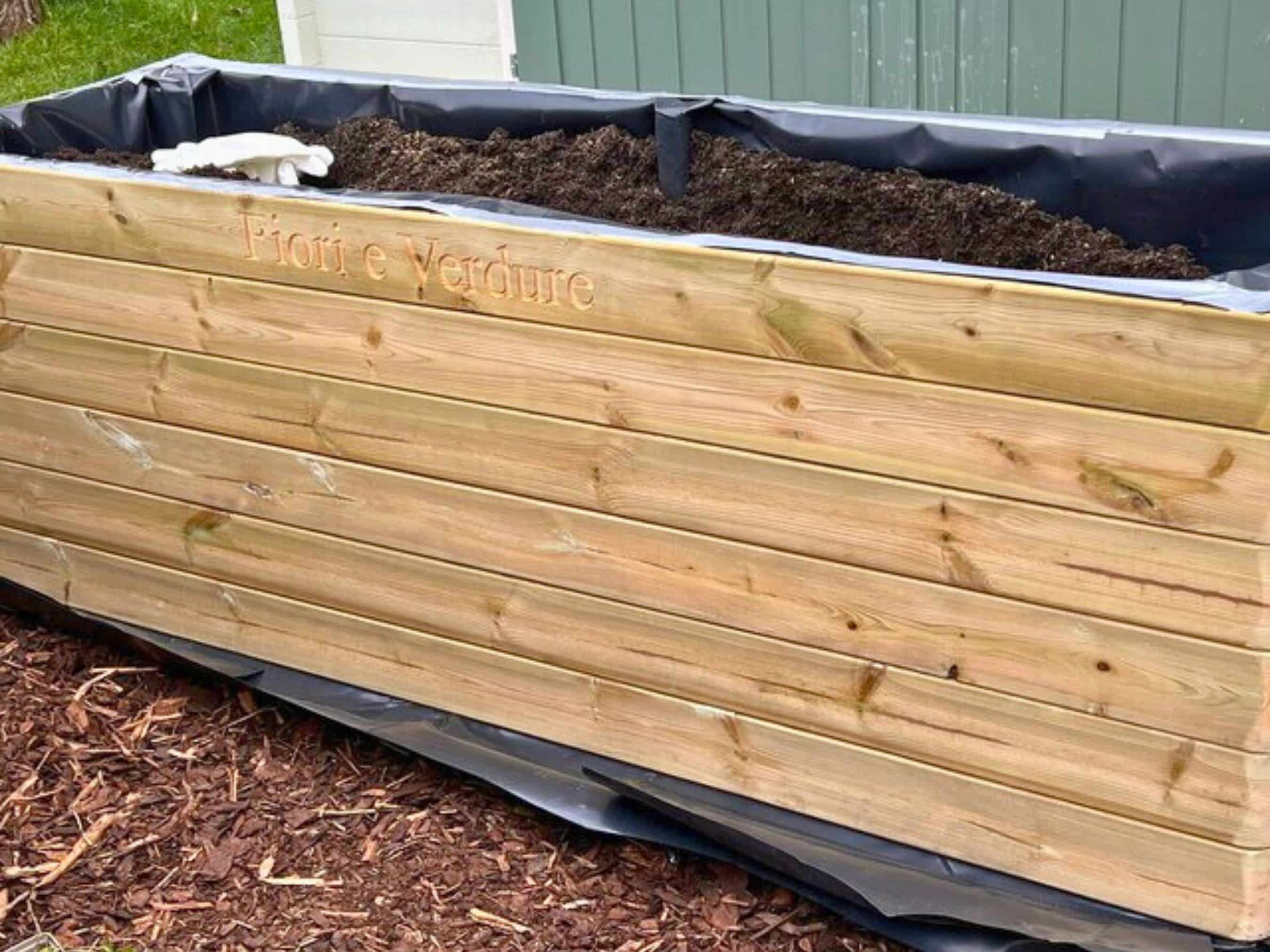
Lining your wooden planter with a suitable breathable or well-drained liner can help extend its lifespan by creating a protective barrier between the timber and the soil. This reduces the amount of moisture absorbed by the wood, helping to minimise the risk of rot and decay over time. When using a liner, it’s important to ensure any drainage holes remain clear so excess water can drain away freely.
How Can You Make a Wooden Planter Last Longer?
A little ongoing care and maintenance can go a long way when it comes to extending the lifespan of your wooden planter. Here are a few simple ways to keep your planter in great condition for years to come:
- Regular Cleaning – Removing dirt, leaves and other debris helps prevent excess moisture from becoming trapped against the timber. Giving your planter an occasional clean will also help you spot any signs of wear before they become bigger issues.
- Keep Drainage Holes Clear – Check that drainage holes remain free from soil and compost build-up. Allowing excess water to drain away helps prevent waterlogging and reduces the risk of rot.
- Reapply a Protective Finish – Depending on the type of timber and the finish, applying a suitable wood treatment or oil where appropriate, can help maintain its appearance and provide additional protection against the elements.
- Avoid Constant Contact with Standing Water – Where possible, position your planter on a firm, well-drained surface rather than directly on permanently damp ground. Raising it slightly can improve airflow around the base and help it dry more quickly after rain.
When Should You Replace a Wooden Planter?
Even the highest-quality wooden planter won’t last forever. If you begin to notice significant rot, large cracks, unstable joints or other structural damage that affects its strength and stability, it may be time to replace it.
Investing in a well-built, pressure-treated wooden planter will help ensure you continue to enjoy a durable and attractive feature in your garden for years to come.
A Long-Lasting Addition to Your Garden
With the right care, a wooden planter can remain a practical and attractive feature in your garden for many years. By choosing a pressure-treated planter, allowing for effective drainage and carrying out a little maintenance its lifespan can be maximised.
If you’re looking for a durable wooden planter that’s built to last, check out our range today!