
How well your firewood burns comes down almost entirely to how well it’s been stored.
Firewood that’s been kept dry and properly seasoned lights easily, burns hotter, and produces far less smoke and tar than wood that’s been left exposed to the elements.
Store it badly, and even good-quality timber will smoke, spit, and struggle to catch.
With winter right around the corner and wet weather on the way, now is the perfect time to get your wooden log store prepped and ready to go.
In this guide, we’ll cover how to store firewood outdoors properly, from seasoning times and stacking methods to choosing the right log store, so your fire can roar loudly all winter long.
How Long Does It Take for Wood to Season?
Freshly cut or unseasoned wood contains a lot of moisture. Burn it too soon and you’ll get a smoky, inefficient fire.
How long seasoning takes depends on the wood you have. As a rough guide:
- Softwoods like pine and larch can take 6 to 12 months.
- Hardwoods like oak and ash can take 12 months or more, depending on their density.
The only reliable way to know your wood is ready is to check its moisture content directly rather than going by time alone.
If your wood isn’t already seasoning, it’s worth checking where you’re up against that timeline for this winter.
Checking Your Wood Is Ready to Burn
If buying firewood, look for wood that is labelled ‘Ready to Burn’. This has likely already been tested to have a moisture content of 20% or less, which is the recommended level for efficient, cleaner-burning firewood.
If you’re seasoning your own logs:
- Use a simple moisture meter to tell you when moisture levels have dropped below 20%.
- Listen for a hollow sound when two logs are knocked together.
- Wood will start to lose its bark and turn a greyer colour at the end.
Protecting Your Firewood This Winter
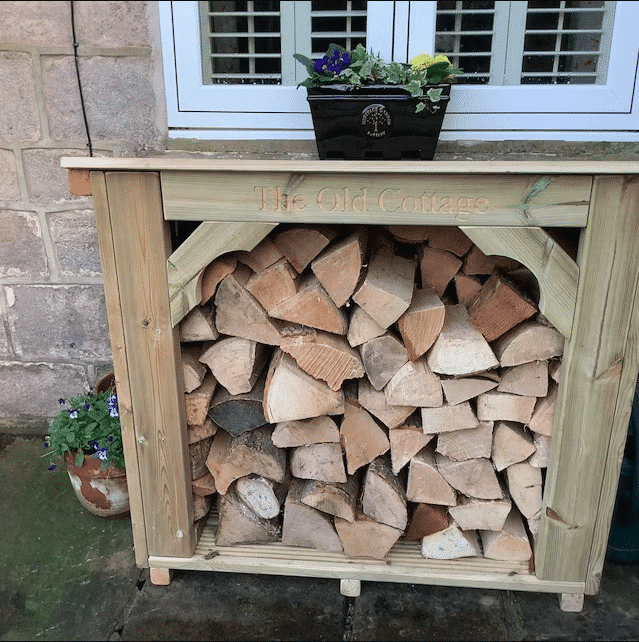
When it comes to protecting your firewood and keeping moisture levels down, you need a durable, protective wooden log store to keep out the harsh weather.
Wooden log stores will:
- Keep logs off the ground
- Shelter wood from the rain while still allowing air to circulate
- Keeps the firewood tidy and easy to access through winter
Our Swedish Redwood log stores are built to stay outside all year round, giving your firewood a stable, well-ventilated place to season and stay dry until you need it.
If you want to know how to stack or position the wood and the log store itself, check out our helpful guides.
Staying Safe When You Burn It
Storing wood well isn’t just about how it burns, it’s a safety matter too. Poorly seasoned wood can produce more creosote, which builds up inside chimneys and increases the risk of chimney fires. It’s worth having your chimney swept regularly and making sure you have a working carbon monoxide alarm fitted, alongside keeping your wood properly seasoned.
Ready to get your wood stored ready this winter?
A good wooden log store does most of the hard work for you, keeping your wood dry, ventilated and ready to burn when you need it. Browse our wooden log stores or get in touch to talk through which size and style would best suit your outdoor space.
Frequently Asked Questions
How do I know if my firewood is dry enough to burn?
Check it with a moisture meter, you’re looking for 20% or below. Dry logs also sound hollow when knocked together and feel noticeably lighter than freshly cut wood.
Can I store wood inside?
Bringing in a day or two’s worth to sit by the fire is fine and pretty standard practice, it lets any surface dampness dry off before burning. Storing large amounts indoors isn’t recommended though, stacked logs can harbour insects and mould spores, and a big pile kept too close to a heat source is a fire risk. Better to keep the bulk of your supply in an outdoor log store and just bring in a basket-load at a time.
Can I store firewood in plastic sheeting or bin bags?
It’s best avoided. Fully sealed plastic traps moisture against the wood rather than letting it escape, which slows seasoning and can encourage rot. A breathable cover over the top of an open-sided log store works far better.
How much wood do I need to get through winter?
This varies a lot depending on your stove or fireplace, how often you light it, and the size of your home, so it’s worth speaking to your stove installer or supplier for a rough estimate rather than relying on a single figure.
Does softwood or hardwood burn better?
Hardwood tends to burn slower and produce more heat per log, while softwood lights more easily and burns faster. Many households use a mix, softwood to get the fire going and hardwood to keep it burning through the evening.